
A Saturday morning can make the choice feel simple. One household walks from a downtown home to coffee, brunch, and a local event. Another loads the paddleboards, watches the sun rise over East Lake Tohopekaliga, and spends the afternoon at the park. Downtown versus lakefront living is not really a question of which lifestyle is better. It is a question of which version of Saint Cloud fits the way you want ordinary days to feel.
Both settings offer connection, character, and convenient access to the wider Central Florida region. The difference is where that connection happens: on walkable streets near familiar storefronts and community gatherings, or outdoors near open water, recreation, and room to slow down.
Downtown versus lakefront living: the daily rhythm
Downtown living puts you close to the active heart of the community. Saint Cloud’s historic downtown has the kind of scale that encourages unplanned stops: a meal with friends, an errand that turns into a conversation, or an evening event that is easy to attend because home is only a few minutes away. For people who like to feel part of the everyday movement of a place, that proximity can be a real advantage.
Lakefront living shifts the focus outward. The lake becomes part of the routine, whether that means an early walk at Lakefront Park, a bike ride along the waterfront, fishing from the shore, or simply looking out at more open space after a busy workday. It can feel especially appealing to households that want their home base to be calmer than their schedule.
Neither option is automatically quieter or more social. A downtown side street can be wonderfully peaceful, while a lakefront area near a popular park may see steady activity on weekends. Visit at different times of day before deciding what feels right.
Convenience looks different in each setting
For many buyers and renters, downtown’s biggest benefit is practical. Restaurants, local services, gathering spaces, and seasonal happenings may be closer, which can reduce the number of short car trips that fill a typical week. A walkable address also makes it easier to say yes to a last-minute dinner or meet a neighbor for coffee.
That convenience depends on the exact address, though. Downtown Saint Cloud is not a one-size-fits-all experience. Some homes sit within an easy stroll of the core, while others are a quick drive away but still enjoy the character and access of the surrounding area. Sidewalks, street lighting, parking, and the route you would actually take to your favorite places matter more than a pin on a map.
Lakefront homes may require more driving for errands, but they can offer another kind of convenience: immediate access to outdoor time. If your ideal reset is an evening walk by the water rather than a crowded gym or another stop across town, that location can make healthy routines easier to keep. Families may also appreciate being near playgrounds, open lawns, boat ramps, and places where visiting relatives can enjoy a Florida afternoon without an elaborate plan.
Home styles and the feeling of space
Downtown areas often provide more variety in age, architecture, lot size, and renovation level. You may find historic character, established landscaping, mature trees, front porches, and homes with details that do not appear in newer communities. That variety is part of the appeal, but it also means buyers should look carefully at maintenance needs, updates to major systems, parking arrangements, and how the property functions for their household.
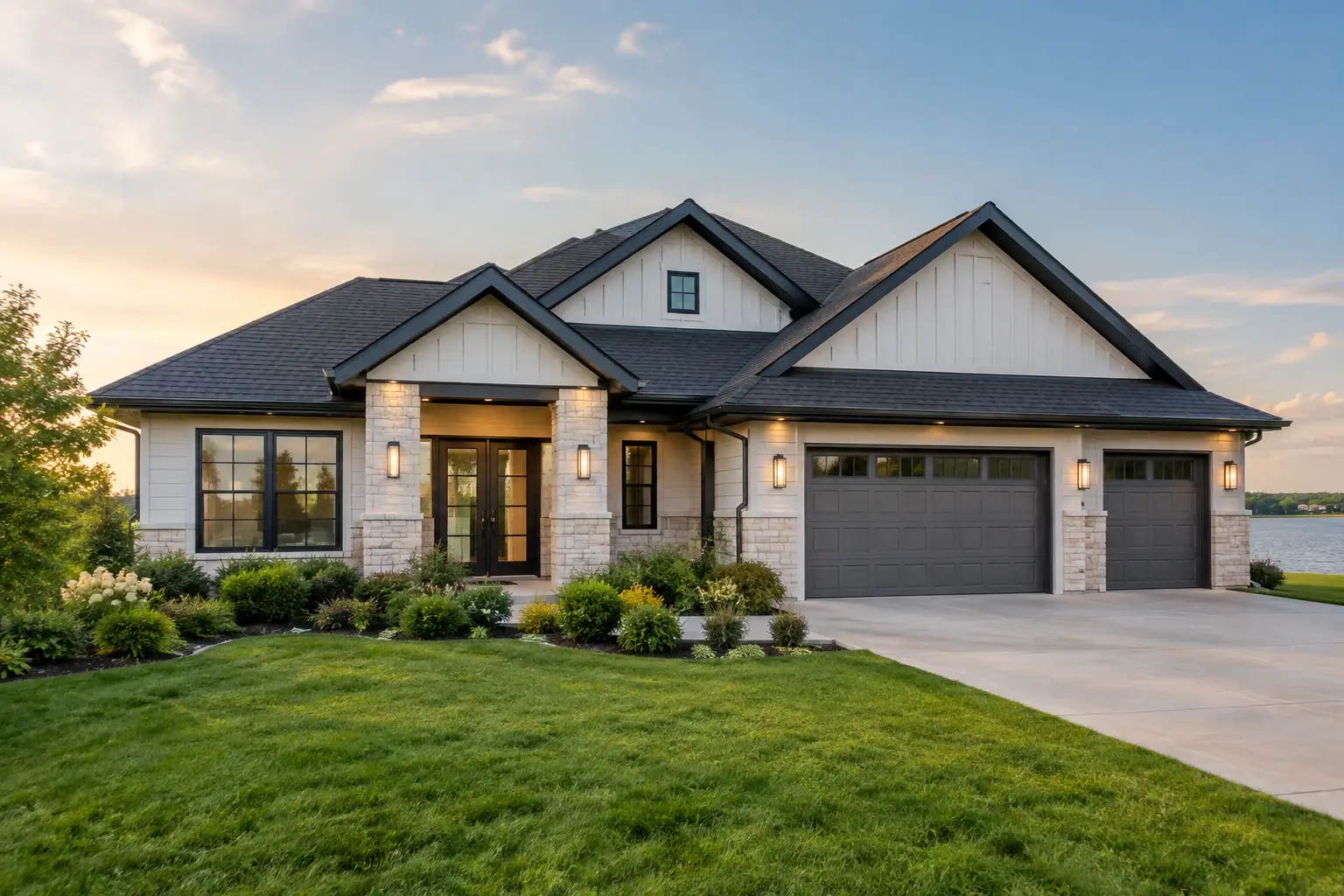
Lakefront and near-lake properties can range widely too. Some offer direct water views or access, while others are simply close enough to enjoy the waterfront lifestyle regularly. A home near the lake may have larger views, more distance between neighbors, or a stronger sense of being removed from the center of town. It may also bring factors that deserve a close look, including wind exposure, drainage, insurance requirements, dock rules, homeowner association guidelines, and public versus private water access.
The view should never be the only deciding factor. Stand in the yard, check the sun direction, consider privacy, and picture the home during a summer storm as well as a blue-sky weekend. The best setting is one that works across the full calendar, not only in listing photos.
Community connection: planned or spontaneous
Downtown makes spontaneous connection easier. When local businesses, events, and neighbors are nearby, it takes less effort to participate. That can be especially valuable for newcomers who want to learn the city, meet people, and build a routine beyond work and home. Living close to the center may help you notice the small things that make a community feel familiar: a favorite lunch counter, a shop owner who recognizes you, or a recurring event on the calendar.
Lakefront neighborhoods can create connection in a different way. Outdoor spaces naturally invite shared activity. Neighbors may meet while walking dogs, watching children play, launching a kayak, or gathering for sunset. The social pace can feel less scheduled and more rooted in the environment.
Your household’s habits are the deciding factor. If you are energized by being near activity, downtown may feel like a natural fit. If you recharge outdoors and prefer gathering around recreation, the lakefront may feel more like home. Plenty of Saint Cloud residents also find a middle ground: they live near one setting and make a regular habit of enjoying the other.
Think beyond the weekend
The most useful comparison happens on a Tuesday. Consider your commute to Orlando, Lake Nona Medical City, the Florida Turnpike, school, childcare, grocery stores, and the places you visit every week. Test the drive during the hours you would normally travel, not just on a relaxed weekend afternoon.
Then consider the smaller patterns. Do you want to walk somewhere after dinner? Is a fenced yard more useful than being steps from the water? Will guests need convenient parking? Do you work from home and need a quiet room, reliable connectivity, or room for a home office? If you own a boat or hope to spend more time on the water, what does access actually look like from the property?
Budget deserves the same local attention. Purchase prices, rental rates, maintenance, insurance, taxes, utility costs, and association fees can vary significantly between individual properties. A downtown house with character may need renovation planning. A lake-oriented property may carry costs tied to location and features. Comparing the full monthly picture can keep a lifestyle decision from becoming a surprise later.
How to make the choice with confidence
Start by identifying the part of your week you most want to improve. For some people, it is easier access to food, events, and familiar faces. For others, it is more outdoor space, a water view, or a place where the family can unplug. Naming that priority is more useful than trying to choose based on a broad label like “urban” or “quiet.”
Next, spend time in both areas as a local would. Have breakfast downtown, stay long enough to see the pace change, and return for an evening event. Walk the lakefront in the morning and again later in the day. Notice traffic, shade, noise, parking, paths, and who is using the spaces. Experience Saint Cloud is built around this kind of practical discovery: finding the places that turn a location into a lived-in routine.
Finally, give yourself permission to choose the setting that supports your real life rather than an imagined one. Downtown may bring the energy of neighbors, local businesses, and easy plans. Lakefront living may bring breathing room and a daily reminder to get outside. In Saint Cloud, both can lead to a stronger sense of belonging when the place you choose helps you eat, explore, live, and connect in the ways that matter most.



0 Comments