
Lake Toho is one of Central Florida’s best-known freshwater destinations, but the name can mean different things depending on where you are standing. For anglers, it often means Lake Tohopekaliga near Kissimmee, known for big bass and wide-open water. For Saint Cloud neighbors and visitors, the waterfront experience is often centered on East Lake Tohopekaliga, the scenic lake beside the city’s beloved lakefront parks.
That distinction is worth knowing, especially when you are planning a fishing trip, a family outing, or a weekend afternoon outdoors. Both lakes are part of the connected Kissimmee Chain of Lakes, and both help define the easygoing, water-loving character of this corner of Central Florida.
What Lake Toho Means Around Saint Cloud
Lake Tohopekaliga is commonly shortened to Lake Toho. The better-known West Lake Toho sits near Kissimmee and is a major name in Florida bass fishing. East Lake Tohopekaliga, often called East Lake Toho, stretches along the Saint Cloud side of the chain and offers a more relaxed, community-facing waterfront setting.
If your goal is tournament-level bass fishing or hiring a fishing guide, be specific when checking a launch location. West Lake Toho and East Lake Toho are separate bodies of water, even though they are connected within the larger lake system. A quick check of the lake name before leaving home can save time and put you closer to the experience you actually want.
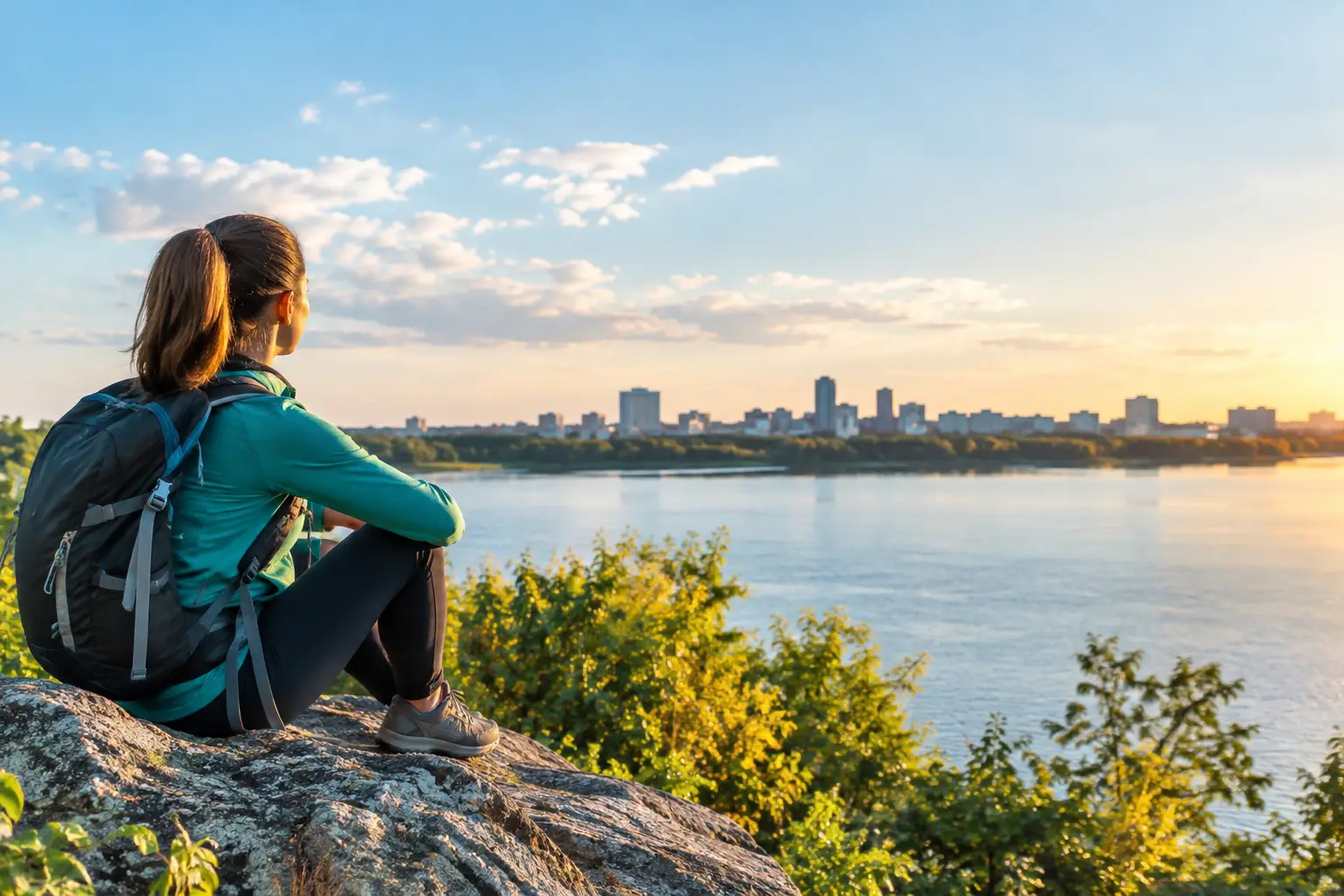
For a casual day near the water, Saint Cloud’s lakefront is an easy choice. It offers room to walk, picnic, watch the sky change color, and let kids burn off energy without needing a boat or a detailed itinerary. It is the kind of place that makes an ordinary afternoon feel like time well spent.
Start at the Saint Cloud Lakefront
The Saint Cloud lakefront is built for everyday use. Visitors can stroll along the shoreline, settle in beneath a shaded pavilion, use playground areas, or bring a simple picnic from a favorite local restaurant. The view itself does much of the work: open water, passing boats, wading birds, and broad Florida skies that feel especially inviting in the early morning and near sunset.
Families appreciate that a lakefront visit can be as active or as low-key as needed. Plan a longer outing around a playground stop and a picnic, or simply bring coffee and take a quiet walk before the day gets busy. The open setting also makes the waterfront a natural gathering place when community events, holiday celebrations, and seasonal activities come to town.
Parking, facilities, event schedules, and access points can change based on maintenance or special programming, so it is smart to confirm current details before heading out. During popular events, arriving early makes the experience more relaxed.
A good outing does not need a packed schedule
The best Lake Toho days often leave space for the unexpected. You may spot an osprey searching the water, see a great blue heron standing at the edge of the reeds, or find that the kids are perfectly content watching boats instead of moving on to the next activity.
Bring water, sunscreen, and a hat, especially from late spring through early fall. Florida weather can turn quickly, so checking the forecast matters. A sunny morning can become a rainy afternoon, and lightning is a reason to leave the shoreline and seek shelter right away.
Fishing Lake Toho: Know Which Water You Want
Lake Toho has earned a national reputation among bass anglers. West Lake Tohopekaliga is particularly famous for largemouth bass, abundant vegetation, and the kind of fishery that attracts serious anglers from across the country. It can be an exciting destination for experienced boaters, guided trips, and visitors hoping to understand why Central Florida fishing has such a loyal following.
East Lake Toho also provides fishing opportunities, though the experience and access can differ. Shore fishing may be available at certain public areas, while boaters should use appropriate ramps and follow posted rules. Conditions change with water levels, vegetation, weather, and fish patterns, so no lake delivers the same day twice.
Anyone fishing should carry the required Florida fishing license unless an exemption applies and should review current state regulations before casting. Regulations, size limits, and seasonal guidance are there to protect the fishery that local families and visiting anglers enjoy year after year.
For newcomers, a guided outing can be a practical option. A local guide brings knowledge of safe routes, current conditions, tackle, and likely fishing areas. For a family that wants to spend time on the water without investing in a boat or learning every access point first, that convenience can be worth the added cost.
Wildlife Is Part of the Experience
The lakeshore is more than a backdrop. It is active habitat, and watching wildlife is one of the simplest rewards of spending time near the water. Herons, egrets, ospreys, turtles, and other native species are common sights. Depending on the season and time of day, patient visitors may see much more than they expected.
Give wildlife plenty of room. Do not feed birds or other animals, and keep children and pets close to you near the shoreline. Alligators are native to Florida freshwater environments, so treat every lake with awareness: stay out of the water unless you are in a designated area, do not approach the edge where visibility is limited, and never feed an alligator.
These habits are not about taking the fun out of a lake day. They are what allow people and wildlife to share the waterfront responsibly.
Build a Lake Day Around Local Stops
A visit to the water pairs naturally with the rest of Saint Cloud. Start with breakfast or coffee downtown, spend the morning at the lakefront, then choose a local spot for lunch before heading home. If you are visiting with friends or family from out of town, the lake is also an easy way to show what makes the community feel different from a typical Orlando-area day trip.
For prospective residents, the waterfront offers a useful glimpse of daily life. A neighborhood is more than a commute time or a floor plan. Having a place nearby where you can walk, fish, picnic, attend a community gathering, or simply watch the sunset adds real value to a routine.
That said, the lakefront may not be the right fit for every plan. Visitors looking for a full-service marina, high-speed water sports, or a beach-style swimming day may need to look at other Central Florida options. Lake Toho’s appeal is quieter and more local: time outdoors, room to breathe, and a waterfront that feels connected to the community rather than built around a single attraction.
Make the Most of Your Visit
Weekday mornings are often ideal for a peaceful walk, birdwatching, or a casual fishing outing. Weekends can bring more energy, especially around parks and public events. Neither is better across the board. It depends on whether you want a calm escape or a little more community buzz.
If you are bringing a boat, confirm your launch point, parking options, weather conditions, and safety equipment before you go. If you are staying on shore, comfortable walking shoes and a small cooler are usually all you need. Pack out what you bring in, use marked trash receptacles, and help keep the water’s edge welcoming for the next family.
Lake Toho is a reminder that some of Saint Cloud’s best moments are not complicated. Pick a good time, bring the people you enjoy, and let the water set the pace for the day.


0 Comments