
A new home in Saint Cloud can mean more than fresh paint, a new appliance package, and a warranty. It can mean a shorter route to the Florida Turnpike, weekends near Lake Tohopekaliga, a neighborhood park where children meet friends, or a quieter home base within reach of Orlando and Lake Nona. That is why comparing new construction homes Saint Cloud buyers are considering should start with lifestyle, not just the model-home floor plan.
Saint Cloud is growing in several directions, and each new-home community can offer a different version of daily life. Some buyers want a larger homesite and room to spread out. Others want a low-maintenance townhome close to shopping, schools, and commute routes. The right choice depends on what you want your regular Tuesday to look like, not only what looks impressive on a grand-opening weekend.
Why Saint Cloud Is Drawing New-Home Buyers
Saint Cloud gives many households something that can feel hard to find in Central Florida: a connected, small-town atmosphere with practical access to major employment centers and regional attractions. Downtown Saint Cloud, the lakefront, local restaurants, community events, and neighborhood businesses give the city its own identity. At the same time, Lake Nona, Medical City, Orlando International Airport, and Orlando-area destinations remain part of the broader map for many residents.
For relocating families and first-time buyers, that balance matters. You may be able to choose a newer home without giving up access to healthcare, shopping, recreation, or a reasonable route to work. For longtime Central Florida residents, Saint Cloud can also offer a chance to trade congestion for more breathing room while staying connected to the places they already know.
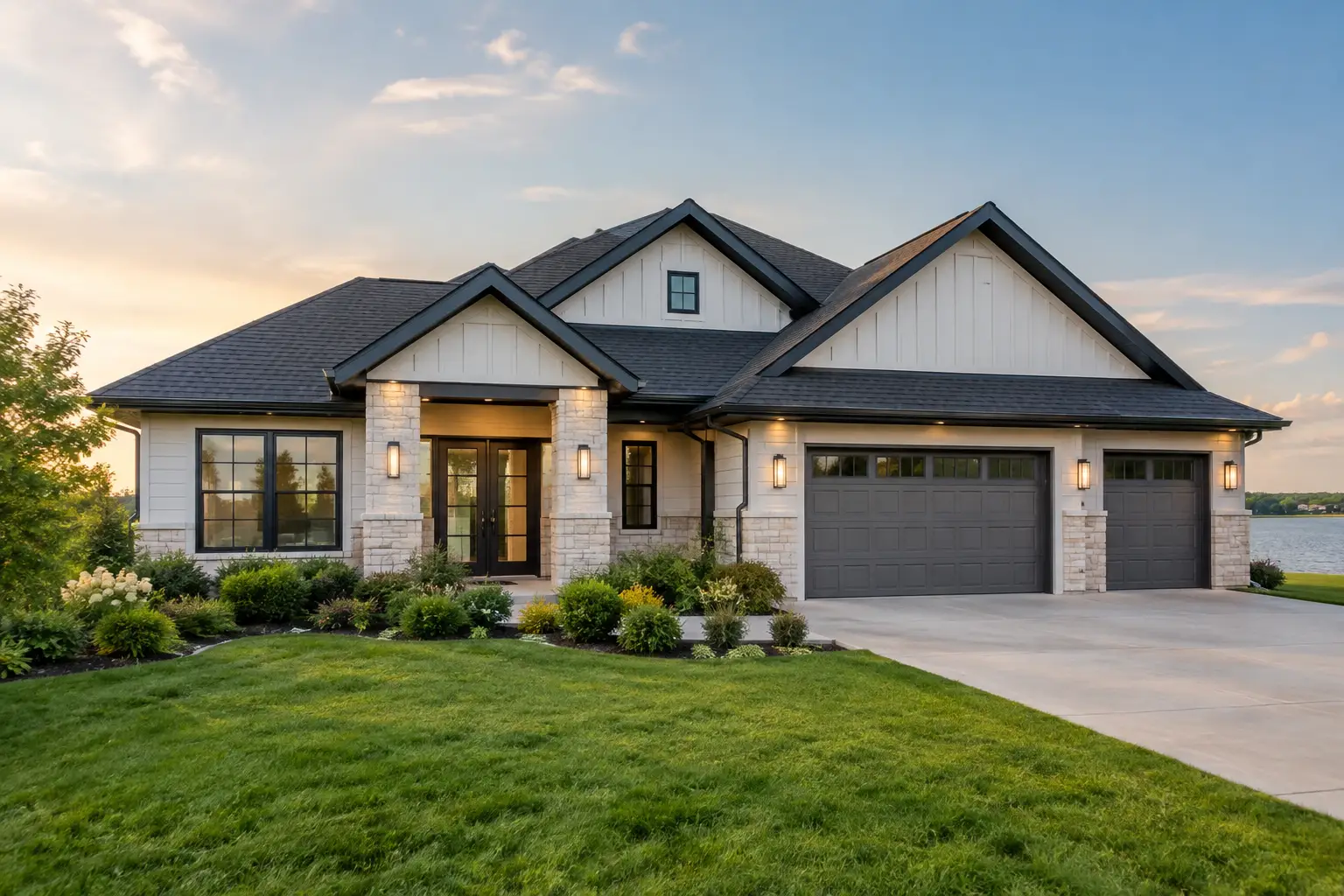
New construction brings practical appeal as well. Modern homes are commonly designed with open living areas, energy-conscious features, attached garages, and layouts that reflect how people live now. A flex room may become a home office, playroom, workout space, or guest room. Still, “new” does not automatically mean “best value.” Lot size, monthly fees, included features, construction timelines, and location can vary widely from one community to the next.
Start With the Part of Saint Cloud That Fits Your Life
Before comparing elevations, cabinet colors, or builder incentives, narrow down the area that makes sense for your household. Saint Cloud’s growth reaches across distinct corridors and communities, and a five- or ten-mile difference can change your commute, nearby services, road traffic, and access to the places you will visit most often.
Commute and Everyday Errands
If your work or frequent appointments are toward Lake Nona, Medical City, the airport, or Orlando, test the drive during the hours you would actually travel. A route that feels easy at midday may look different before school or after work. Buyers who use the Turnpike regularly should also factor tolls into their monthly budget rather than treating them as an occasional expense.
For households focused on local convenience, look beyond a community entrance sign. Check the nearest grocery stores, pharmacies, childcare options, healthcare offices, parks, and dining. A new neighborhood can feel tucked away in a good way, but that privacy may mean a longer drive for everyday needs.
Lakefront Character or Newer Growth Corridors
Some buyers are drawn to Saint Cloud’s established areas, historic downtown energy, and proximity to the lakefront. Others prefer the newer communities developing along the city’s expanding edges, where homes may offer updated amenities and newer infrastructure. Neither choice is automatically better.
An established setting can bring mature surroundings and quicker access to familiar local spots. A newer development may provide community amenities, contemporary floor plans, and a more uniform neighborhood feel. Consider which trade-off feels right: established character, newer features, more space, greater convenience, or some combination of all four.
Compare the Community, Not Just the House
A beautiful model home is designed to make an impression. It is useful for seeing a builder’s style and understanding room flow, but it is not always a clear picture of the home you will receive. Model homes often include upgraded flooring, lighting, trim, landscaping, and design selections that increase the final price.
Ask for a clear list of standard features and a separate list of upgrades. Then compare the base price, the homesite premium, selected options, closing costs, homeowner association fees, and any special district assessments that may apply. A lower advertised starting price can change quickly once you choose the lot and finishes that work for your family.
Community amenities deserve the same careful look. A pool, clubhouse, playground, trails, dog park, or sports court can add real value when your household will use them. They can also add ongoing costs. Visit the amenity area when possible, ask whether it is already complete or planned for a future phase, and understand who maintains it.
It is also wise to look at what is planned around the community. Nearby retail, roads, schools, future phases, and undeveloped land can shape your experience over time. Construction activity is normal in a growing area, but buyers should know whether their backyard view could change and how long nearby building may continue.
Questions to Ask Every New-Home Builder
Builder representatives can be excellent sources of information, especially when you arrive with specific questions. Their role is to explain their homes and sales process, so take notes and request key details in writing. If you are working with a real estate professional, consider bringing them along early, since builder policies about representation can differ.
Before making a decision, ask these practical questions:
- What is included in the advertised base price, and what upgrades are shown in the model?
- Is the homesite premium separate, and are there lot restrictions or easements to understand?
- What are the estimated HOA fees, community development district or similar assessments, and expected utility costs?
- What is the projected completion date, and what happens if construction takes longer than expected?
- What warranty coverage is provided, and how are service requests handled after closing?
You may also want to ask about internet providers, school transportation, fencing rules, rental restrictions, and construction hours for future phases. These questions may seem small during a sales appointment, but they can affect everyday comfort after move-in.
Make Room in the Budget for the Real Move-In Cost
The purchase price is only one part of owning a new home. Plan for closing costs, property taxes, insurance, HOA fees, window treatments, appliances that may not be included, landscaping additions, a fence, storage, and furniture for rooms you did not have before. In Florida, insurance and taxes deserve special attention because costs can vary by property, coverage, and timing.
Builder incentives can be helpful, particularly when they reduce closing costs or offer rate-related support through a preferred lender. But compare the full loan terms, not just the incentive headline. A lower upfront cost may not be the strongest long-term option if another loan has a meaningfully better rate or fewer fees. Your lender can help you understand the monthly and lifetime impact.
Keep a small contingency fund if you can. Even a move-in-ready home tends to inspire immediate projects, from adding ceiling fans to organizing a garage. Having room in the budget lets you enjoy those choices instead of treating them as unwelcome surprises.
Visit at More Than One Time of Day
A community can look completely different on a sunny Saturday afternoon than it does at 7:30 a.m. on a weekday. Return for a second visit if a neighborhood is high on your list. Drive the route to work, walk the streets, listen for road noise, and look at how residents use the shared spaces.
This is also a good time to explore the wider Saint Cloud lifestyle. Have lunch downtown, spend time at the lakefront, visit a nearby park, or run an errand in the area. A home purchase is a major financial decision, but it is also a decision about where you will build routines, meet neighbors, and spend your free time.
A New Home Is a Starting Point for Local Connection
The best new construction homes in Saint Cloud are not defined by square footage alone. They are the homes that put your household in a setting where daily needs feel manageable and community life feels within reach. For one buyer, that is a neighborhood near a commute route. For another, it is room for a growing family, access to outdoor recreation, or a front porch where neighbors become friends.
Take your time, compare the details behind the marketing, and give equal weight to the home, the community, and the city around it. When the fit is right, your new address can become a genuine part of Saint Cloud.



0 Comments