
Saturday mornings can look very different across Saint Cloud. One household may be walking to a downtown coffee shop before the farmers market, while another is loading kayaks for East Lake Tohopekaliga or heading to a neighborhood pool. This Saint Cloud Florida neighborhoods guide is built to help you match that everyday rhythm with the part of town that feels right for you.
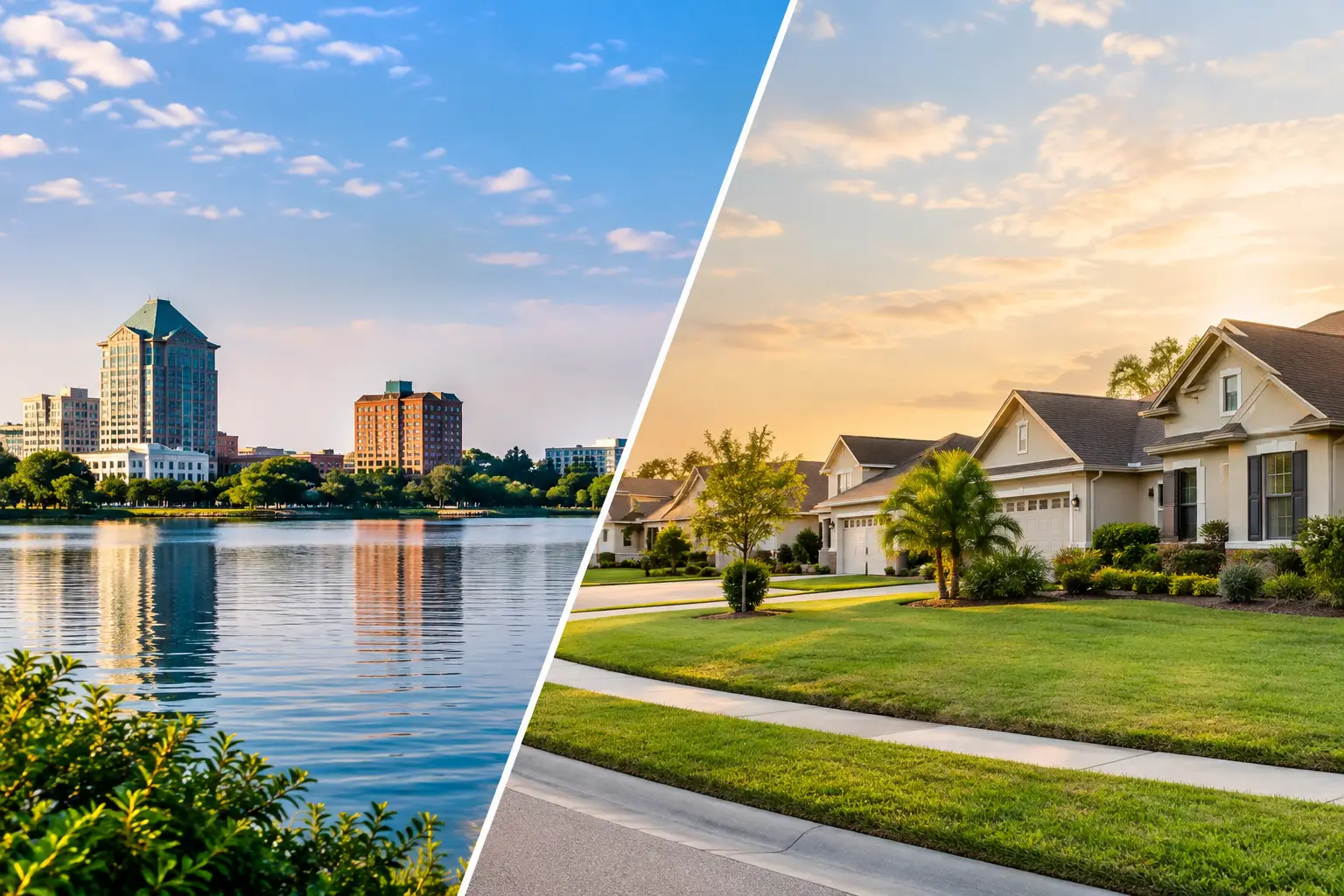
Saint Cloud is not one-size-fits-all. Its historic core, lakefront areas, established subdivisions, active-adult communities, and expanding new-construction neighborhoods each offer a distinct version of local life. The best fit depends on what you want close by, how you commute, and whether you picture your weekends around community events, outdoor space, quiet streets, or quick access to the wider Orlando area.
Saint Cloud Florida Neighborhoods Guide: Start With Your Priorities
Before comparing home styles or community amenities, think about the practical details that shape your week. A household commuting toward Lake Nona Medical City, Orlando International Airport, or downtown Orlando may put Turnpike access near the top of the list. Families may focus on school options, parks, sidewalks, and room to grow. Others may want a low-maintenance home, an active social calendar, or the ability to be near the water.
Saint Cloud also covers a broad area, and a Saint Cloud mailing address does not always tell the full story. Verify the property’s exact location, school assignment, municipal services, homeowners association rules, and planned nearby development before making a decision. That extra research matters, particularly in fast-growing areas where a quiet open parcel today may be part of a future construction plan.
Historic Downtown and the Original Town Grid
For buyers and renters who want Saint Cloud’s strongest sense of history, the neighborhoods around downtown are a natural starting point. This is where mature trees, older homes, front porches, and a more traditional street layout set the tone. Downtown places residents near local restaurants, small businesses, seasonal events, and the community gatherings that give the city its close-knit feel.
Homes here often have more character and more variation than those in newer subdivisions. You might find a renovated bungalow, a larger established home, or a property that needs thoughtful updates. That variety is part of the appeal, but it also means buyers should look closely at age, condition, insurance considerations, and renovation needs rather than assuming every home has the same upkeep profile.
This area works especially well for people who value being connected to local activity and do not need a brand-new amenity center outside their door. If a walkable-feeling setting, neighborhood traditions, and easy downtown access matter more than uniform floor plans, the historic core deserves a close look.
Lakefront Living Near East Lake Tohopekaliga
Saint Cloud’s relationship with East Lake Tohopekaliga is one of its biggest lifestyle advantages. Areas near the lake and waterfront parks appeal to residents who want sunrise views, fishing, boating, wildlife watching, or simply a scenic place to take an evening walk. The lakefront helps make Saint Cloud feel like its own destination rather than just an outer Orlando address.
Water proximity comes with trade-offs. Waterfront and water-view homes can carry a premium, and buyers should understand access rights, flood-zone information, insurance costs, dock conditions, and any restrictions that affect boats or trailers. A home near the lake may offer a wonderful view without direct water access, so it pays to confirm exactly what is included.
For many residents, the value is not just the property itself. It is the chance to make outdoor recreation part of a normal Tuesday, not just a weekend plan.
Established Family-Friendly Communities
Across Saint Cloud, established subdivisions offer a familiar suburban balance: single-family homes, neighborhood streets, nearby schools, and access to grocery stores, parks, and daily services. Communities such as Anthem Park and Stevens Plantation are frequently considered by households looking for an established neighborhood setting with a community-oriented feel.
These areas can be a good middle ground for buyers who want more predictable neighborhood design than the historic core but do not necessarily need the newest construction. Lot sizes, home ages, association fees, and amenities can vary considerably from one community to another. Some neighborhoods may have pools, playgrounds, or trails, while others lean more toward a residential, low-amenity atmosphere.
When comparing established communities, visit at more than one time of day. Morning traffic, afternoon school pickup, evening noise, and weekend activity can tell you more about a neighborhood than a listing description alone. It is also smart to ask about HOA guidelines for fences, parking, exterior changes, and rental policies if those details could affect your plans.
New-Construction Communities and Growing Corridors
New construction is a major part of Saint Cloud’s growth story. Along key corridors and on the city’s expanding edges, buyers can find communities with modern floor plans, energy-efficient features, community pools, parks, and new retail or service growth nearby. Neighborhoods and master-planned communities in the broader Saint Cloud area, including Harmony, Hanover Lakes, Live Oak Lake, and other developing locations, draw buyers who want a fresh start and contemporary amenities.
The appeal is clear: newer systems, current design choices, builder warranties, and often a range of home sizes. For relocating households, a new community can also make the process feel more straightforward, especially when choosing a home before arriving in Central Florida.
Still, new construction calls for patient comparison. Base prices may not include the lot premium, structural options, design upgrades, closing costs, or association fees that affect the final monthly budget. Construction timelines can change, and nearby roads, schools, shopping, and recreation may still be in progress. Ask what is open now, what is planned, and which plans are controlled by the builder versus the county or city.
A growing community can be an exciting place to put down roots. Just make sure you are comfortable with the reality of growth: active construction, changing traffic patterns, and amenities that may arrive in phases.
Active-Adult Options for a Social, Low-Maintenance Lifestyle
Saint Cloud also serves adults looking for a community built around convenience, connection, and recreation. Twin Lakes is one recognizable active-adult option in the area, with a lifestyle that appeals to residents who want organized activities and amenities without giving up access to Saint Cloud’s local shops, lakefront, and events.
Active-adult communities can be a strong fit for downsizers, retirees, and anyone who values an easy way to meet neighbors. Clubhouses, fitness spaces, pools, trails, and planned social opportunities can make it easier to settle into a new area. The right choice depends on the specific community’s age requirements, fees, maintenance arrangements, guest rules, and the type of social environment you prefer.
Some buyers love an activity calendar and a lock-and-leave home. Others want fewer rules and more privacy. Neither is better – it is about choosing the version of daily life that suits you.
Commute Access Changes the Neighborhood Equation
Saint Cloud gives many residents a quieter home base while keeping major Central Florida employment centers within reach. But commute time can vary widely depending on your exact neighborhood, work schedule, and preferred route. A location that feels ideal for a Lake Nona or airport commuter may not be the best choice for someone traveling frequently toward Disney, downtown Orlando, or the east coast.
Test the drive during the times you would actually use it. Look beyond mileage and consider school traffic, construction, tolls, access to the Florida Turnpike, and the number of errands you can handle near home. If you work remotely, you may care less about highway access and more about home-office space, reliable service options, nearby cafes, or the ability to step outside and enjoy a trail or lake view.
How to Compare a Saint Cloud Neighborhood in Person
A neighborhood visit should feel less like a quick drive-through and more like a trial run for ordinary life. Stop for lunch nearby. Visit a park. Check the route to the grocery store, school, gym, or medical appointment you expect to use. Pay attention to sidewalks, shade, street lighting, parking, and whether people are outside enjoying the area.
It helps to make a short comparison note for each community: home type, expected monthly costs, commute, outdoor access, nearby conveniences, HOA rules, and overall atmosphere. That keeps a beautiful model home or a scenic view from overshadowing the details that will matter after move-in day.
Whether you are drawn to a front porch near downtown, a lake-adjacent street, or a new home in a growing community, Saint Cloud offers room to choose your own pace. Spend time in the places that catch your attention, ask local questions, and let the neighborhood’s everyday feel guide you toward a home where neighbors can become friends.



0 Comments